
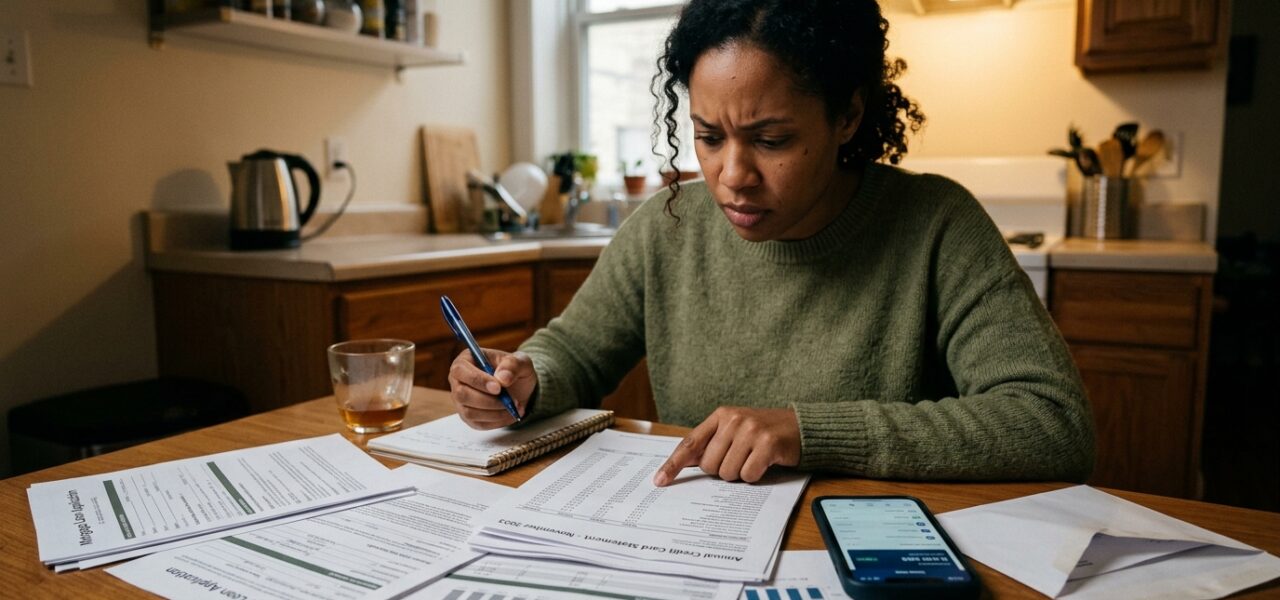
In 2020, when millions of people lost their jobs in a matter of weeks, two groups of people experienced that crisis very differently. The first group had three to six months of expenses saved in an accessible account. For them, the crisis was stressful but survivable. They could pay rent, buy groceries, and cover their bills while they figured out what came next. The second group had no cushion. Within weeks, many were behind on rent, maxing out credit cards, and facing decisions no one should have to make: groceries or electricity?
The difference was an emergency fund. Not a high income. Not a fancy investment portfolio. Simply money set aside for when life goes sideways because it will.
What Is an Emergency Fund?
An emergency fund is a dedicated pool of savings held in a safe, accessible account, used exclusively for genuine financial emergencies. Not a vacation. Not a sale. Not a new phone. Genuine emergencies:
- Job loss or sudden reduction in income
- Unexpected medical expenses
- Car breakdown requiring immediate repair
- Emergency home repair (burst pipe, broken furnace)
- Family emergency requiring travel
- Natural disaster damage
The purpose is to prevent you from going into debt when these events occur and they will occur, for everyone, at some point.
How Much Do You Actually Need?
The traditional advice is three to six months of living expenses. But the right number depends on your personal situation:
Three months is appropriate if: You have a stable job in a high-demand field, dual income in the household, low fixed expenses, and good health insurance.
Six months is appropriate if: You are self-employed or a freelancer, work in a volatile industry, have only one income supporting the household, have dependents, or have chronic health conditions.
Up to twelve months may be needed if: You run your own business, work entirely on commission, or live in an area with limited job opportunities in your field.
Calculating Your Number
Your emergency fund target is based on your monthly essential expenses not your full lifestyle budget. Calculate only what you must pay to survive: rent/mortgage, utilities, groceries, transportation, insurance, and minimum debt payments. Exclude dining out, entertainment, and non-essential spending.
Example: Rent $1,200 + utilities $150 + groceries $400 + transport $300 + insurance $200 + loan minimums $250 = $2,500 essential monthly expenses. A three-month fund is $7,500. A six-month fund is $15,000.

Where to Keep Your Emergency Fund
Your emergency fund has one job: be there when you need it. That means it must be safe and accessible. The wrong places:
- Stocks or ETFs markets can drop 30-40% right when you need the money most (recessions cause both job losses and market crashes simultaneously)
- Long-term CDs with early withdrawal penalties the penalty negates the benefit
- Cryptocurrency far too volatile for an emergency fund
The right places:
- High-Yield Savings Account (HYSA) Currently paying 4-5% APY online. FDIC insured. Accessible in 1-3 business days. This is the gold standard for emergency funds.
- Money Market Account Similar to HYSA, often with check-writing privileges for immediate access.
- Regular savings account Lower interest, but perfectly fine if HYSA is not available to you.
How to Build It on a Tight Budget
The biggest misconception about emergency funds is that you need to save large amounts quickly. You do not. You need to save consistently over time. Here is a practical approach:
- Set a starter goal first. Before worrying about three or six months, aim for $1,000. This small cushion handles the most common financial surprises (car repair, medical co-pay) and gives you confidence that the system works.
- Automate a small weekly transfer. Even $25 per week is $1,300 in a year. $50 per week is $2,600. Set up an automatic transfer the day after payday so it happens before you can spend it elsewhere.
- Direct windfalls to the fund. Tax refunds, bonuses, birthday money, side gig income any unexpected cash should go straight to the emergency fund until it is fully funded.
- Do a monthly subscription audit. Most people pay for 3-5 subscriptions they rarely use. Cancelling them can free up $50-$100 per month that goes directly to the fund.
- Sell unused items. A weekend sell-through of unused electronics, clothing, and household items can generate $200-$500 for a quick boost.
The Psychology of the Emergency Fund
Beyond the financial mechanics, an emergency fund provides something money cannot usually buy: peace of mind. Research by the Urban Institute found that having as little as $250 in savings significantly reduced financial stress and prevented poor financial decisions driven by desperation. People with emergency funds make better long-term financial choices because they are not operating in crisis mode.
There is also a counterintuitive truth: people with emergency funds take better career risks. They are more likely to leave a toxic job, negotiate for higher pay, or start a business because they have a cushion. Financial security is not just about surviving bad times. It is about having the freedom to pursue better ones.
The Opportunity Cost of Not Having an Emergency Fund
When discussing emergency funds, we often focus on the direct benefits: paying for the broken boiler, covering the medical bill, or surviving a job loss. But there is a massive hidden cost to not having an emergency fund: the opportunity cost of forced financial decisions. When you have no cash buffer, emergencies force you to make expensive, sub-optimal choices.
For example, if your car breaks down and you have no savings, you might be forced to put the $1,500 repair on a credit card at 24% interest. Over a year, that repair now costs you nearly $2,000. Alternatively, you might take out a payday loan with a 400% effective APR, trapping yourself in a cycle of debt. An emergency fund doesn’t just pay for the emergency; it prevents the emergency from generating secondary financial crises that drain your long-term wealth.
Tiering Your Emergency Savings
As your emergency fund grows from a starter fund ($1,000) to a full six-month buffer, it becomes inefficient to keep the entire amount in a single, highly accessible but lower-yielding account. Financial optimizers often use a “tiered” approach to emergency savings to maximize yield while maintaining liquidity.
Tier 1: Immediate Access (1 Month of Expenses)
Keep this in a standard high-yield savings account linked to your primary checking. You can access this money within 24 to 48 hours for immediate crises like car repairs or urgent travel.
Tier 2: Short-Term Buffer (Months 2-3 of Expenses)
This money can be held in slightly less liquid vehicles that offer higher returns, such as a Money Market Account or a No-Penalty Certificate of Deposit (CD). It takes a few more days to access, but in a true job-loss scenario, you won’t need month 3’s expenses on day one.
Tier 3: Extended Safety Net (Months 4-6 of Expenses)
For the final tier, some investors use Series I Savings Bonds (which lock your money for 12 months but adjust for inflation) or conservative bond ETFs. This tier is strictly for prolonged unemployment or severe medical crises. By tiering your fund, you combat the erosive effect of inflation on your cash stockpile.
Case Study: The Freelancer’s Buffer
Consider Elena, a freelance graphic designer. Her income fluctuates wildly some months she earns $8,000, others only $2,000. Her baseline essential expenses are $3,500 a month. For a W-2 employee with stable income, a 3-month fund ($10,500) might suffice. But for Elena, a single lost client could plunge her into a deficit.
Elena built a 9-month emergency fund totaling $31,500. This might seem excessive, but it completely changed her business dynamic. Because she wasn’t desperate for cash, she could confidently decline low-paying, demanding clients. She had the runway to pitch larger, more lucrative projects that took longer to close. Her emergency fund acted not just as a safety net, but as a strategic business asset that ultimately allowed her to double her average monthly income over two years.
Frequently Asked Questions
Should I pay off debt or build an emergency fund first?
The mathematically optimal approach is to build a small starter emergency fund (usually $1,000 to $2,000) first. This prevents you from going deeper into debt when inevitable surprises occur. Once that starter fund is established, pause savings and aggressively pay down high-interest debt (like credit cards). After the toxic debt is gone, resume building your full 3-6 month emergency fund.
Is a credit card a valid emergency fund?
Absolutely not. A credit card is a tool for transacting, not a safety net. Relying on credit for emergencies means that in your most vulnerable moment (e.g., job loss), you are taking on high-interest debt that requires monthly payments you cannot afford. This accelerates financial ruin.
Should I invest my emergency fund in the stock market?
No. The stock market is volatile. Economic downturns often cause both widespread job losses and stock market crashes simultaneously. If you lose your job during a recession and your emergency fund is in an S&P 500 index fund, you might be forced to sell your investments at a 30% loss to pay rent. Emergency funds are for insurance, not for generating high returns. The “cost” of missing out on stock market gains with this cash is simply the premium you pay for financial security.
Summary
- Calculate your monthly essential expenses to find your target amount
- Aim for 3-6 months; 6-12 if self-employed or in a volatile field
- Keep it in a high-yield savings account safe, accessible, earning interest
- Build it gradually with automatic weekly transfers
- Replenish immediately after use
Use our savings calculator to see how long it will take to reach your emergency fund goal at different saving rates.
This article is for educational purposes only and does not constitute financial advice. Please consult a qualified financial advisor for personalized guidance.